Best Margherita Pizza
in Sunderland, Tyne & Wear
Discover and vote for the best quality, tastiest Margherita Pizza in town. Real rankings by real food lovers in Sunderland, Tyne & Wear.
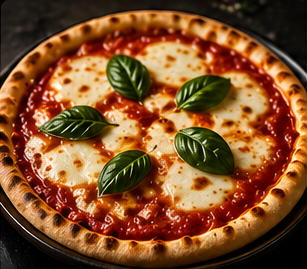
Margherita Pizza
Pizza Margherita, also known as Margherita pizza, is, together with the pizza marinara, the typical Neapolitan pizza. It is roundish in shape with a raised edge and seasoned with hand-crushed peeled tomatoes, mozzarella, fresh basil leaves, and extra virgin olive oil.
Top Picks This Month
Hand-picked highlights gaining attention right now.
Want to be featured here?
Get your dish in front of thousands of local voters.
Sunderland, Tyne & Wear

Helpful Details
Margherita Pizza FAQs
Common questions people ask before voting and visiting restaurants.
While both feature tomato and cheese, the difference lies in the freshness and simplicity of the ingredients. A standard American-style cheese pizza usually uses thick, pre-shredded low-moisture mozzarella and a seasoned, cooked tomato sauce. In contrast, an authentic Margherita uses fresh mozzarella (often sliced or torn), raw crushed San Marzano tomatoes, and fresh basil leaves. The result is a lighter, more delicate flavour profile compared to the salty, greasy finish of a typical cheese pizza.
The pizza is named after Queen Margherita of Savoy. According to popular legend, during her 1889 visit to Naples, chef Raffaele Esposito created a pizza featuring red tomatoes, white mozzarella, and green basil to represent the colours of the Italian flag. The Queen enjoyed this specific combination so much that the style was named in her honour. While similar ingredient combinations existed in Naples before this event, the royal seal of approval cemented its name and global fame.
That distinctive charred look is called "leopard spotting" and is a hallmark of an authentic Neapolitan pizza. It happens because the dough is cooked extremely quickly—usually in 60 to 90 seconds—in a wood-fired oven reaching temperatures over 450°C (850°F). The high heat causes the air bubbles in the fermented dough to puff up and char instantly, providing a smoky depth of flavour and a light, airy texture that you can't achieve in a standard home oven.
All-Time Rankings
Top 20 restaurants by total votes in this league.
No all-time rankings are available yet.
Cast Your Vote
Are you sure serves the best Margherita Pizza in Sunderland?